Exosomes – What We Know and What We're Still Learning
Exosomes work upstream of other skin treatments - influencing how cells communicate and repair. Dr Chia Min Shan on what the evidence currently shows, where exosomes fit in a treatment plan, and why careful use matters as much as confident use.

Postpartum skin is its own category.
Hormones shift everything after birth - oil production, hydration, elasticity, pigmentation. Patients who had oily skin their whole lives suddenly find it dry and dull. Patients who never had pigmentation develop melasma. Skin that bounced back after the first pregnancy behaves differently after the second.
The skin you had before pregnancy isn't always the skin that comes back.
What strikes me about postpartum skin isn't just the surface changes - it's the biology underneath. The body has been through an enormous event. Hormonal fluctuation, physical stress, months of disrupted sleep and nutrition. The skin's normal repair signalling has been running at a deficit throughout.
This is where exosomes become relevant. Not as a treatment for any specific postpartum symptom, but as a way of addressing what's happened at the cellular level - resetting the communication pathways that tell skin to repair, regenerate, and function the way it should.
What Exosomes Actually Are
Exosomes are extracellular vesicles - tiny particles, far smaller than cells, released naturally by cells as part of their communication system. They carry growth factors, peptides, proteins, and genetic signalling molecules between cells, essentially delivering instructions: repair this, produce more of that, calm this inflammatory response.
In aesthetic medicine, exosomes used in treatment are typically derived from stem cells - most commonly plant stem cells or human adipose-derived stem cells, depending on the source and formulation. When applied to the skin, they deliver a concentrated payload of these signalling molecules to the tissue, triggering repair and regeneration processes that the skin would carry out on its own under ideal conditions - but may not be doing efficiently due to age, stress, or damage.
The mechanism is fundamentally different from other treatments. Skinboosters add hyaluronic acid. Polynucleotides stimulate fibroblasts directly. Exosomes work upstream of both - influencing how cells communicate and behave, rather than adding a substrate or directly stimulating a specific cell type.
What the Evidence Currently Shows
This is where I want to be careful - because exosomes are genuinely promising, and also genuinely early in their clinical evidence base.
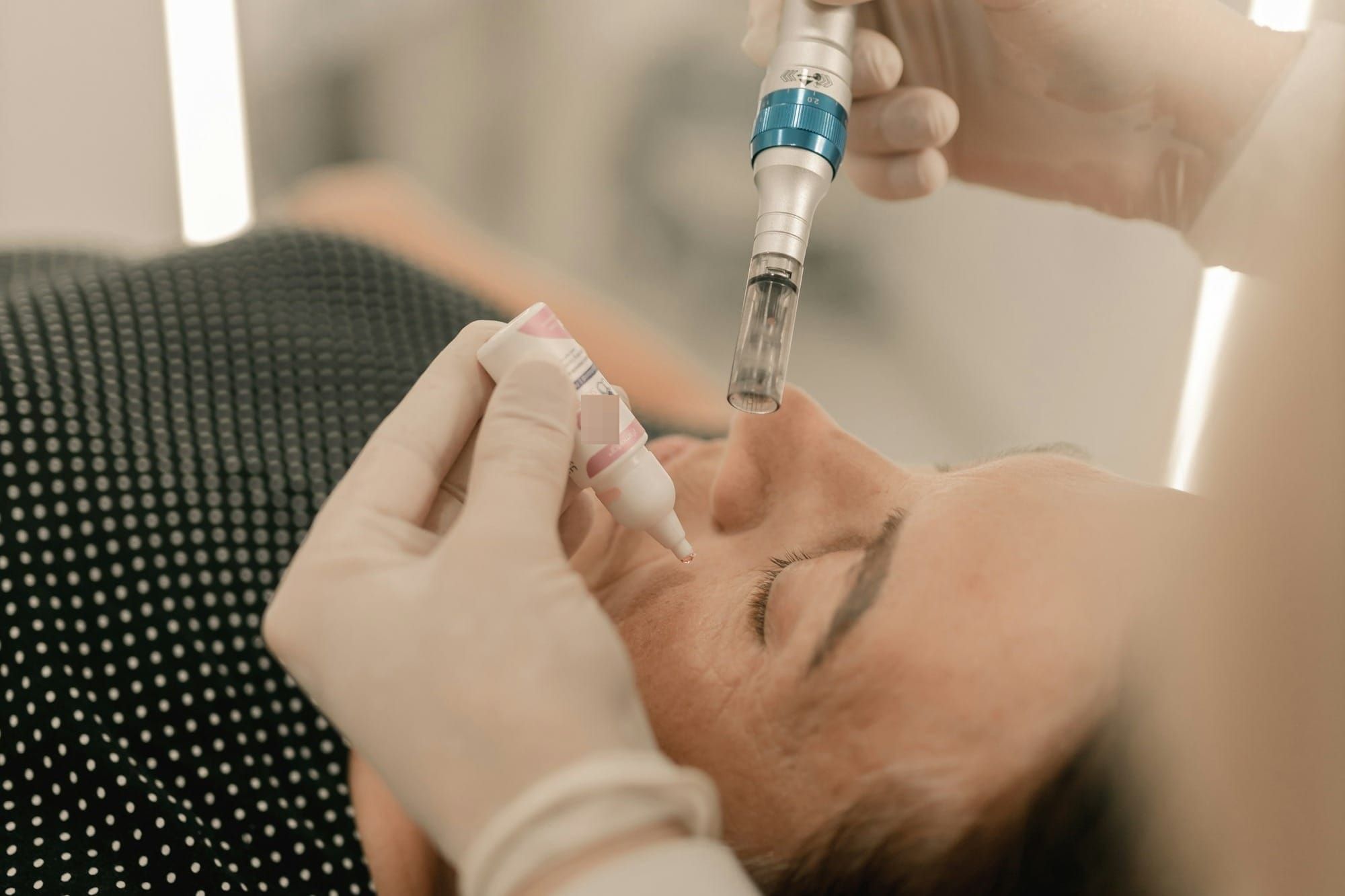
The published data on exosomes in aesthetic medicine is growing. Studies show meaningful improvements in skin hydration, elasticity, texture, and pigmentation. Post-procedure use - applied after laser, microneedling, or energy-based treatments - shows accelerated healing, reduced downtime, and improved outcomes compared to standard post-procedure care.
The mechanism is well-understood at a biological level. The clinical results, in practice, are often impressive.
But the long-term data is limited. The field is moving quickly, formulations vary significantly between products, and standardisation is still developing. Unlike polynucleotides, which have a longer track record in peer-reviewed literature, exosomes are a newer clinical tool - and I think it's important to say that clearly rather than present them as fully established.
What I can say with confidence is that the patients who respond best tend to be those using exosomes as part of a broader treatment plan - not as a standalone solution, but as an amplifier of other treatments and a reset for skin that has been through something.
Where They Fit in a Treatment Plan
In practice, I find exosomes most useful in three contexts.
Post-procedure recovery. Applied after laser, or microneedling, exosomes significantly reduce the inflammatory response and accelerate the skin's return to baseline. Patients experience less redness, less sensitivity, and faster visible improvement.
Skin that has been through a stressful event. Postpartum skin is one example. Skin recovering from significant illness, prolonged stress, or a period of poor sleep and nutrition is another. The cellular communication reset that exosomes provide is particularly valuable when the skin's own repair mechanisms have been running below capacity.
Patients whose skin quality isn't responding as expected to other treatments. When polynucleotides and skinboosters have been used appropriately but the skin still isn't improving the way it should, exosomes can address the upstream signalling that may be limiting the response.
At my clinic at Journey Aesthetics, we use exosomes selectively - where the clinical indication is clear - rather than routinely. The science is promising enough to use confidently. It's also new enough to use carefully.
Dr Chia Min Shan is the Medical Director of Journey Aesthetics Medical Clinic in Katong, Singapore. She specialises in skin quality, facial aesthetics, and natural-looking results using treatments including botulinum toxin, dermal fillers, skinboosters, polynucleotides, Ultherapy Prime, Volnewmer, Fotona 4D, and Corage 2.0. Every treatment plan she creates is built around a thorough consultation - because understanding what a patient actually wants is where good aesthetic medicine begins.